Greek god from overweight
Roughly 28%+ body fat, little visible muscle, carrying weight around the stomach and chest. Here is what the greek god transformation looks like from exactly that start — rendered on a real photo, not a stock body.
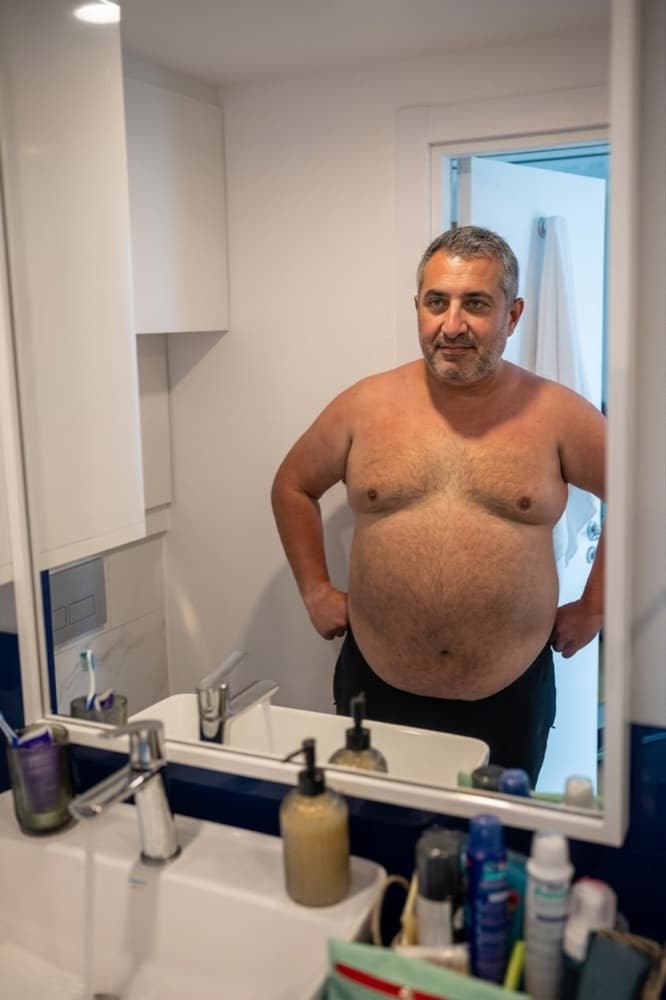
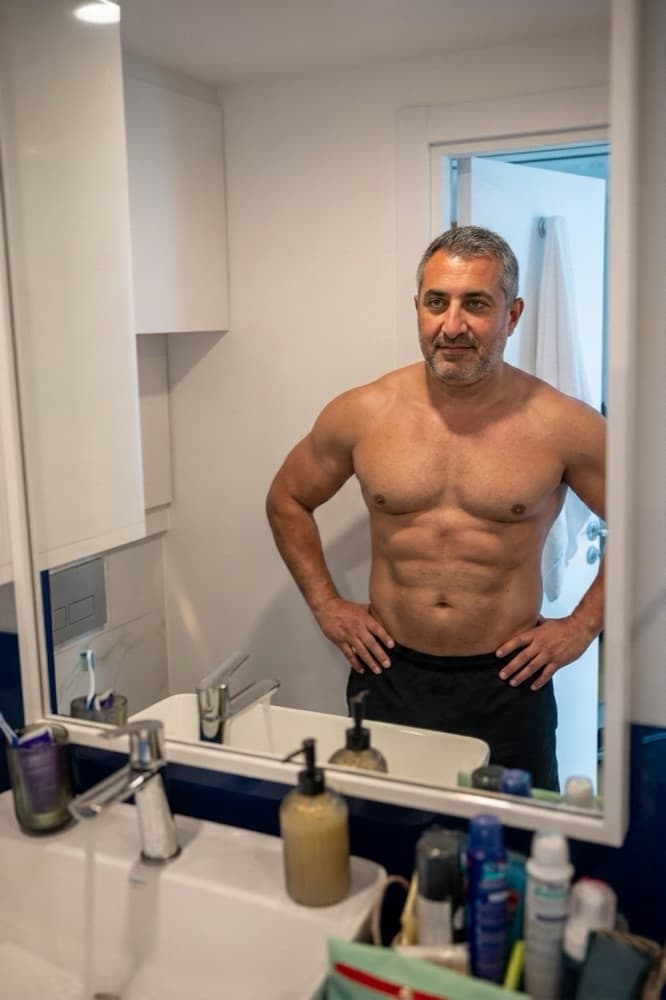
Starting from overweight
Fat loss comes first and does most of the visual work. A moderate deficit with high protein and three or four lifting sessions a week keeps muscle while the fat comes off — and for beginners, muscle is usually gained at the same time.
What greek god changes
The timeless aesthetic — balanced, proportional, sculpted like it was carved.
- Shoulders roughly 1.6× the waist
- Defined but not overbuilt — lean, symmetrical, athletic
- Visible abs and a clean chest line
What it takes
Typically 2–3 years of focused training. The 'Greek god' look is lean, symmetrical, and athletic rather than massive — the physique most men actually want when they say 'in shape'. It is achievable for most people who train consistently for a few years and stay reasonably lean. The preview shows those proportions on your own frame.
See it on your own photo
The example above is one upload. Yours will keep your face, your frame, and your bathroom mirror, and show the greek god version of you. Your first look in the app is free; this transformation costs 50 tokens after that, shown before you tap.
More transformations from overweight
All 25 →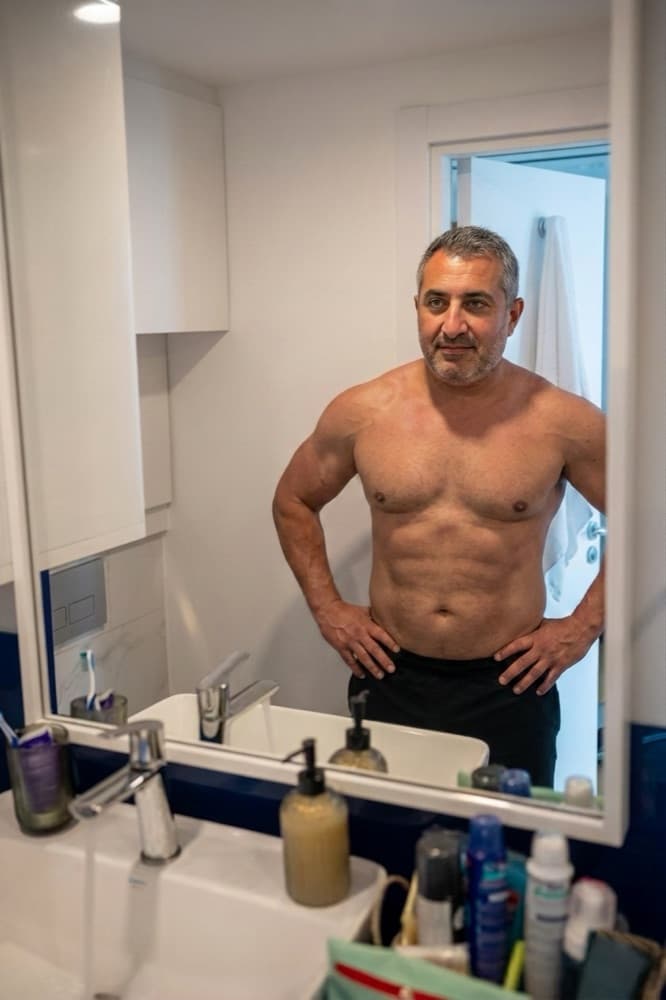 50
50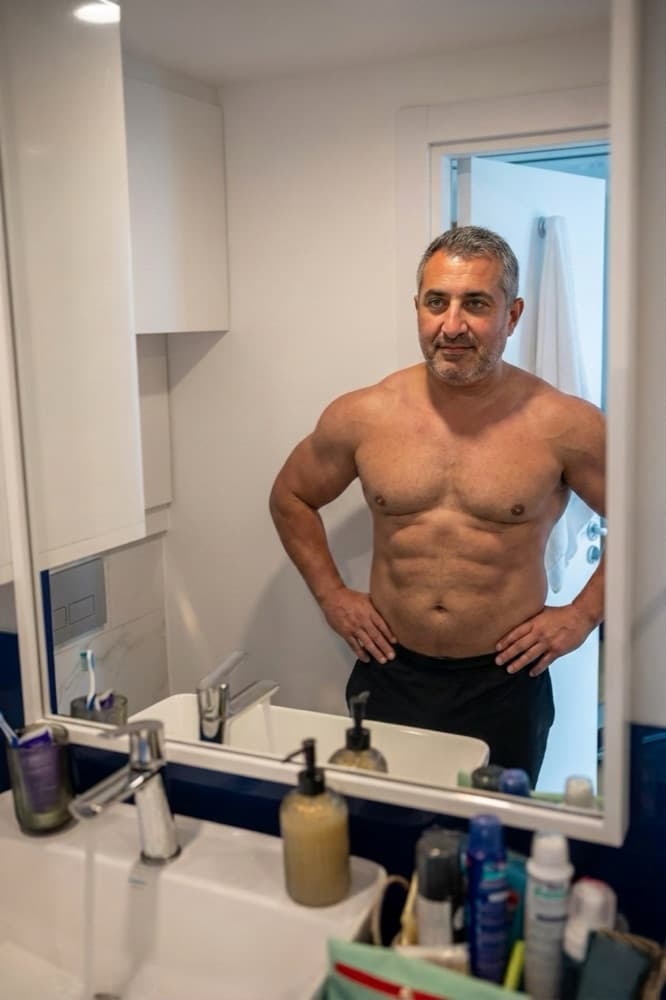 50
50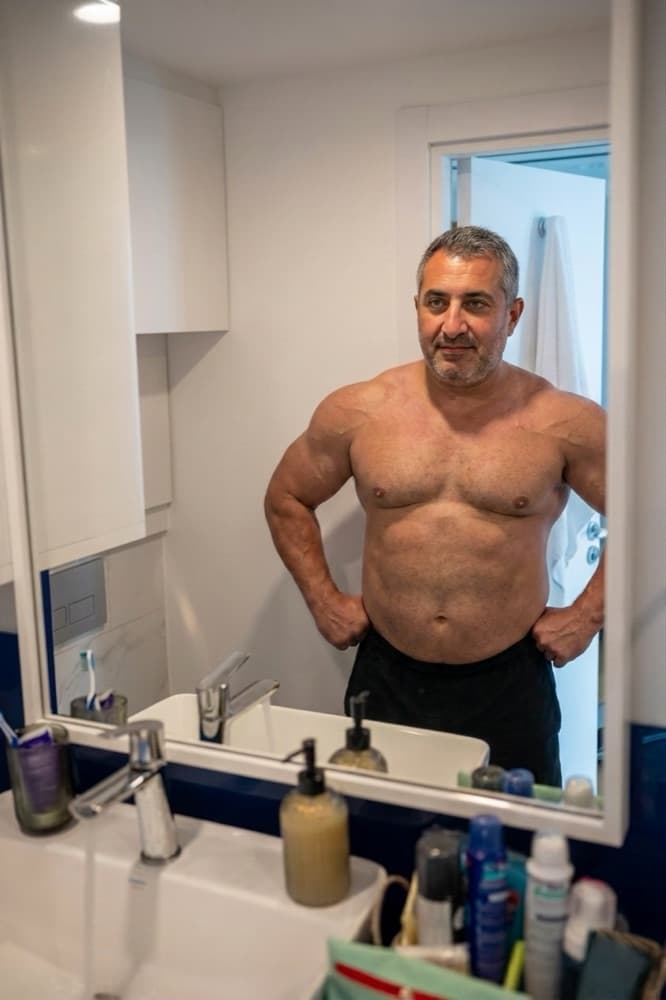 50
50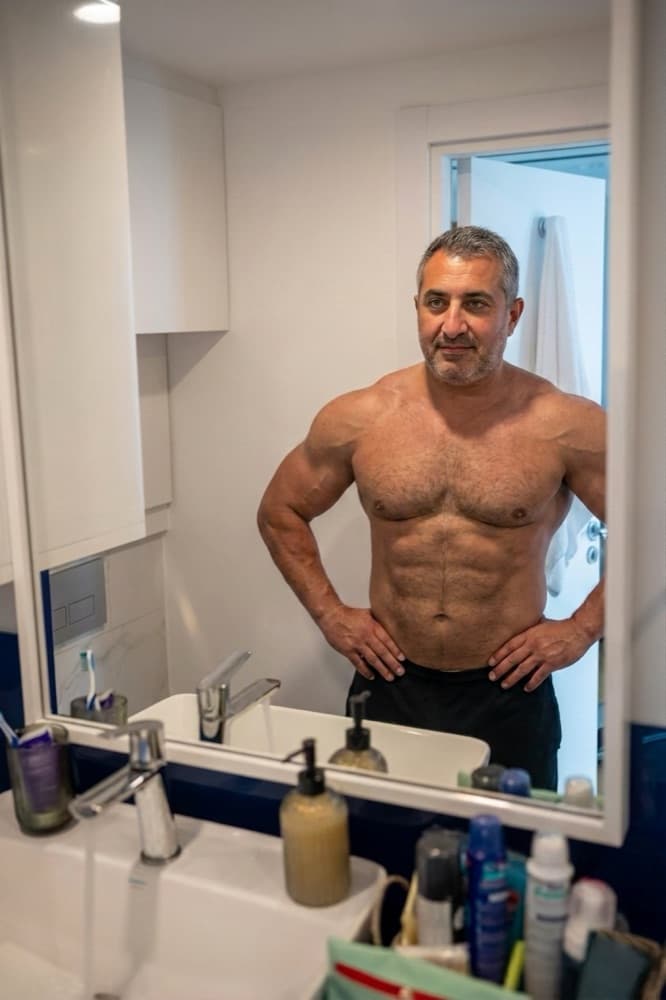 50
50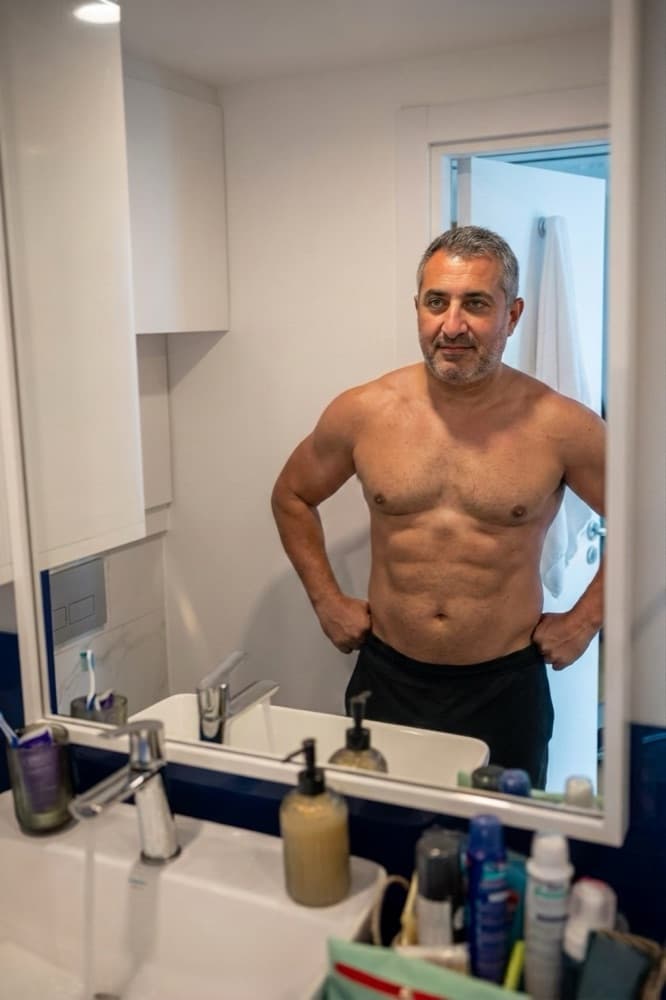 50
50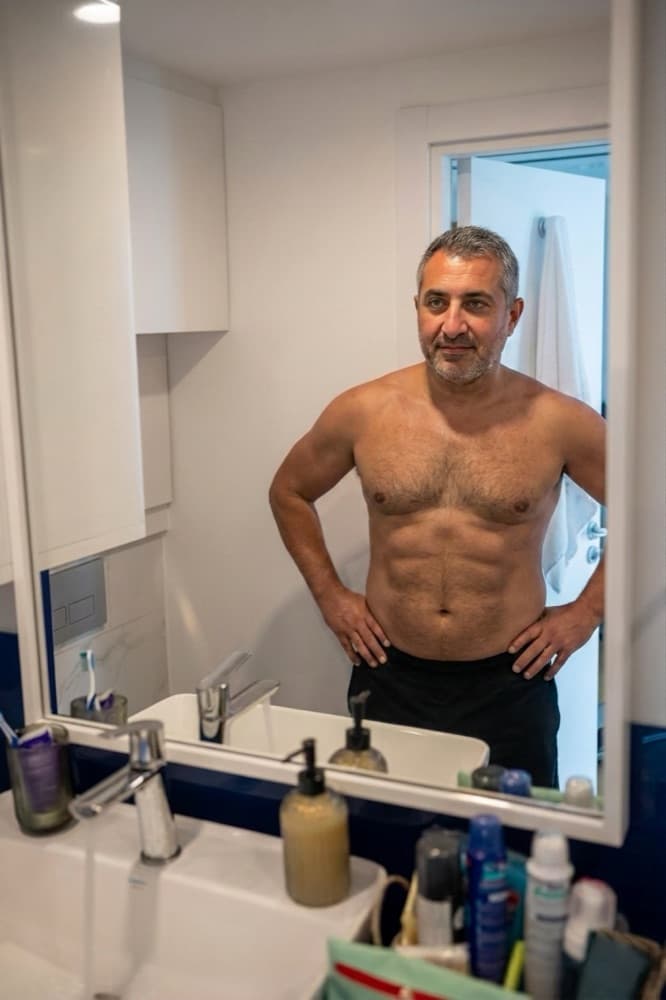 50
50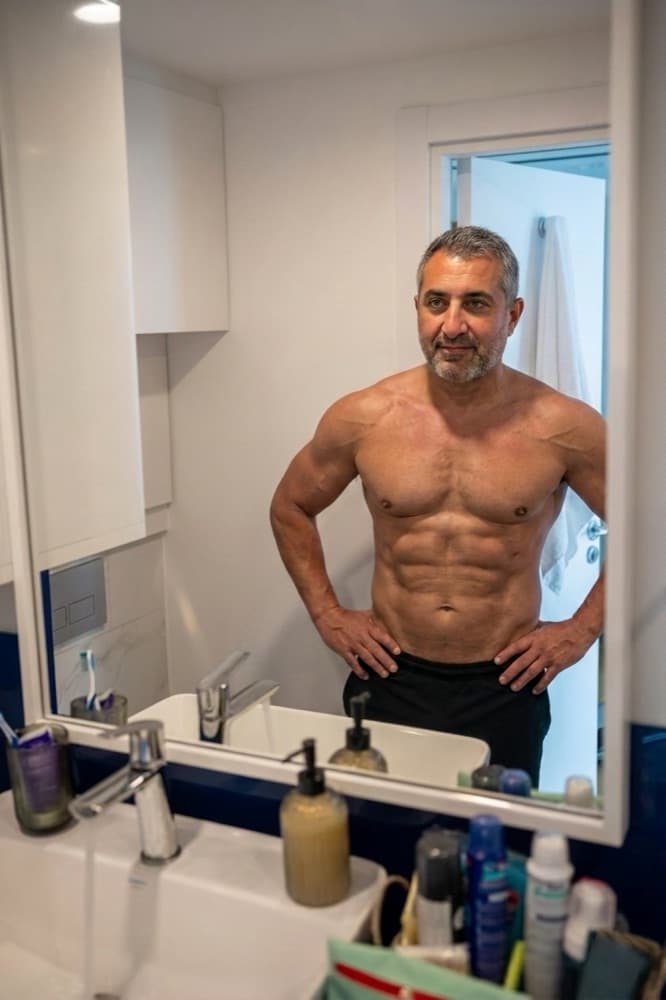 50
50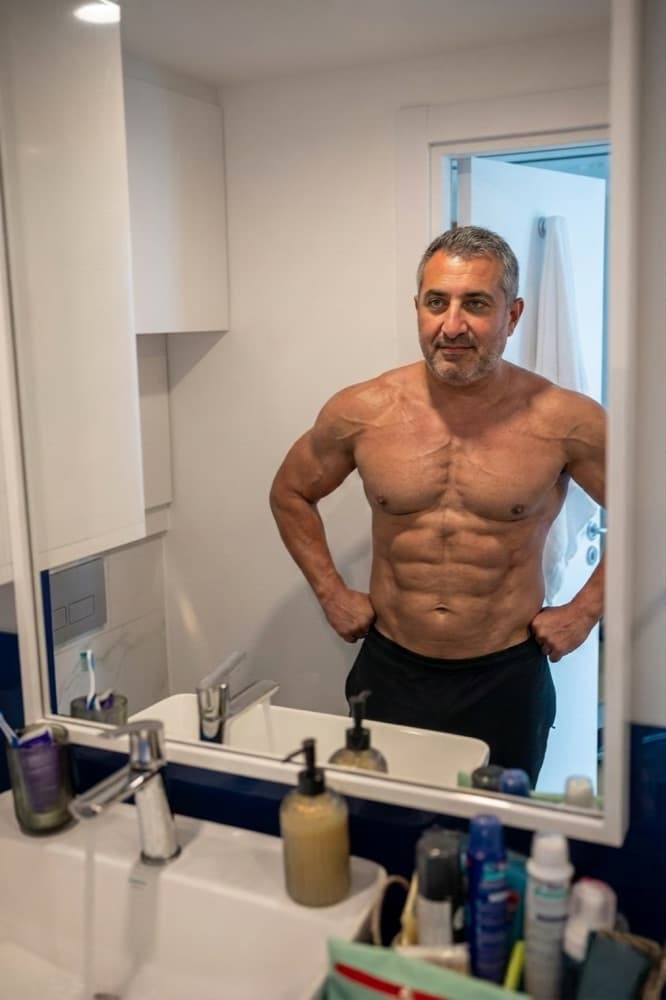 50
50
See greek god from overweight — on your body.
Get the app, upload one photo, and see this transformation rendered on your own frame.
